|
Getting your Trinity Audio player ready...
|
Introduction: Why I’m Sharing This With You
Volunteering has been one of the best parts of my journey as an international student in Australia. It helped me meet new people, learn about the local culture, and even explore career paths. But it hasn’t been perfect — I’ve made a lot of volunteering mistakes along the way. That’s why I’m writing this article. If you’re an international student planning to volunteer, I hope my experience helps you avoid some of these common mistakes.
Mistake 1: Overcommitting Without Realizing the Consequences
Jumping Into Too Many Opportunities
One of the first mistakes I made was saying “yes” too often. As someone new to Sydney, I wanted to experience everything—from food drives to community events. Whenever an opportunity popped up, I’d sign up without checking my calendar or considering how tired I might be.
Cancelling Last-Minute and Its Impact
Often, I’d commit to a shift and then cancel the night before or even the morning of the shift. I’d send a text claiming I was unwell. At the time, I didn’t think it mattered. But when I eventually started organizing volunteer events myself, I understood how hard last-minute cancellations were to manage.
Organizers count on every volunteer. When one drops out suddenly, it creates stress and extra work for someone else. This taught me a valuable lesson in being honest with myself and respectful of others’ time.
Mistake 2: Confusing One-Day Volunteering with Ongoing Opportunities
Understanding Different Types of Volunteering
Not all volunteering roles are created equal. One of my early misunderstandings was not realizing the difference between one-day volunteering and ongoing roles. One-day events are short-term—like helping at a festival—while ongoing roles involve regular commitment with the same team.
Expecting Networking in Short-Term Events
At first, I treated one-day events as chances to make professional connections. But it’s hard to build lasting relationships when everyone’s just focused on the task at hand. I’d leave disappointed, expecting more than what the event was designed to offer.
Using the Right Strategy for Each Type
Now I understand: one-day volunteering is perfect for making friends and enjoying the moment, while ongoing roles are better for networking and skill-building. Knowing the difference helped me get the most out of each experience.
You can read the article: Top 6 Volunteering Platform Recommendations as well – Click Here
Mistake 3: Failing to Prioritize and Manage Time
Neglecting Schedules and Calendars
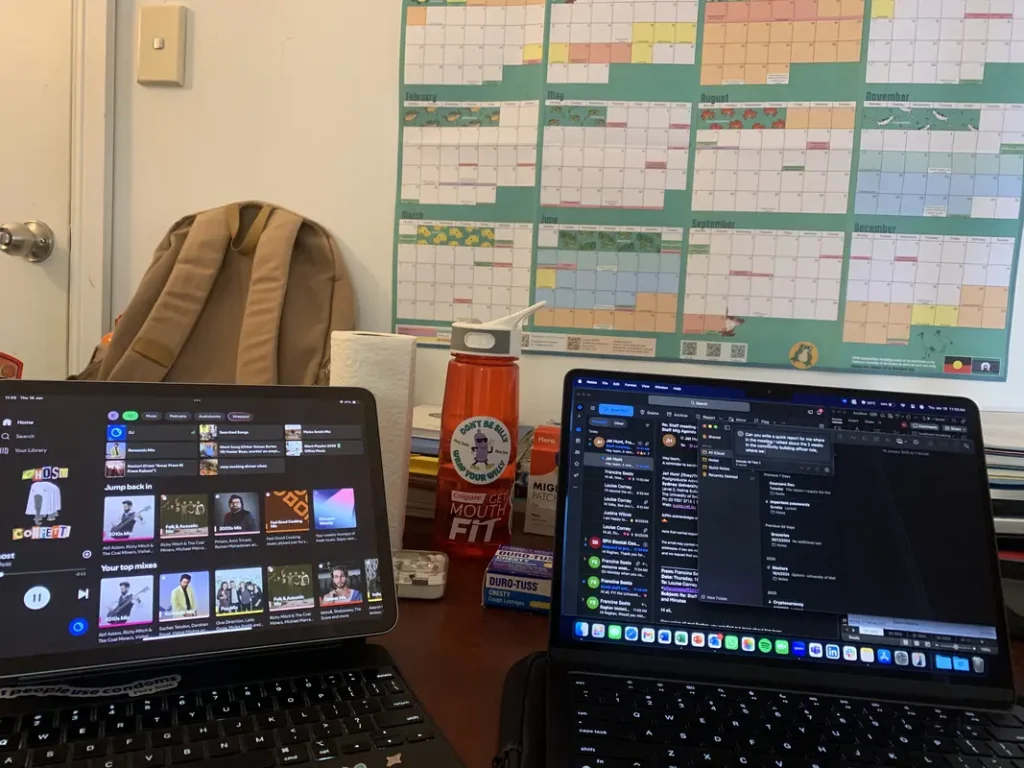
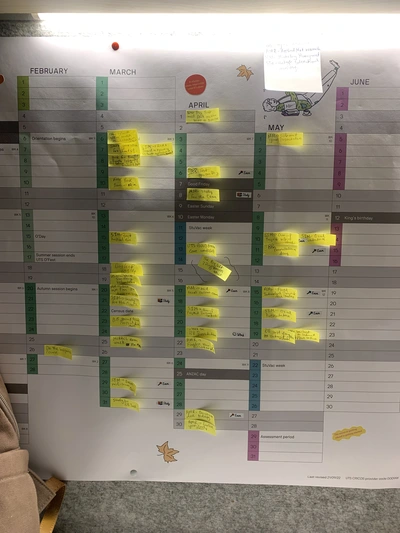
Back then, I didn’t use any tools to manage my time. I’d sign up for shifts and forget about them, or realize I had a class at the same time. Important opportunities slipped through simply because I wasn’t organized.
Balancing Volunteering with Studies
As a full-time student, time is already limited. Between classes, part-time work, and volunteering, I found myself overwhelmed. I was physically tired and mentally stressed, trying to be everywhere at once.
How Stress Piled Up and What I Did About It
Eventually, I learned to use Google Calendar and reminders. I began setting clear limits on how often I’d volunteer each month. Not only did this reduce stress, but it also improved the quality of the time I spent volunteering.
Mistake 4: Not Understanding the Organization’s Purpose
Misjudging the Goal of Volunteering Events
Every organization has its own reason for hosting volunteers. Some just want to create a joyful environment, while others are mission-focused. I failed to observe this early on. I’d go to a casual, community event and start handing out my verbal resume or asking for referrals.
Asking for Jobs in the Wrong Context
I now cringe when I think of how many times I asked for job opportunities at the wrong moment. People were there to relax and connect, not to discuss careers. It felt awkward and out of place—not just for me, but for them too.
Why Reading the Room Matters
Once I began observing the environment and understanding each event’s purpose, I adjusted my approach. If it was a casual get-together, I focused on building genuine connections. If it was a skills-based role, I used the opportunity to show my capabilities.
Mistake 5: Overlooking the Difference Between Career and Community Volunteering
The Value of Professional Volunteering
Some organizations, like the Cancer Council of Australia, offer roles related to marketing, administration, or finance. These opportunities are gold for your resume and can help build your professional experience in your chosen field.
When It’s Okay to Just Socialize
On the other side, events like Sydney New Year’s Eve volunteer opportunities are more about having fun and creating memories. These roles are great for making friends, not job hunting.
Matching Your Goals to the Event Type
The mistake I made was going into every volunteering role with the same expectation. Now I research opportunities in advance and choose the ones that align with my goals—whether it’s networking, skill development, or just making new friends.
How I Turned Things Around
I didn’t get everything right from the start, but with time, I found ways to improve:
- I started using tools like Google Calendar and Microsoft Outlook Calendar to track commitments.
- I created a weekly schedule that balanced studies, work, and volunteering.
- I became more selective about which opportunities I accepted.
- I clarified my goals before every event—whether to make friends, gain experience, or simply give back.
Tips for New International Student Volunteers
- Start small—Don’t overcommit in the beginning.
- Use platforms like Seek Volunteer or Volunteering Facebook Groups to find roles that match your skills.
- Be honest with organizers if you can’t attend.
- Respect the Environment of each event before pitching yourself.
- Take notes and reflect on what worked and what didn’t (Optional).
- Keep a volunteer resume to track your experience and skills (Just joking – Enjoy your time as a Volunteering).
Frequently Asked Questions
Let the organizer know as early as possible—ideally 48 hours in advance. Avoid last-minute cancellations unless it’s an emergency.
Use websites like Seek Volunteers and search by your industry (e.g., marketing, IT, finance).
Absolutely! Just make sure it’s relevant to the role you’re applying for.
Thank them for the opportunity and explain that you’re currently focused on other commitments. Honesty and politeness go a long way.
Yes, especially during one-day events and community-focused roles. Many friendships start with shared values.
If it starts affecting your studies, health, or job, it’s too much. Quality over quantity matters.